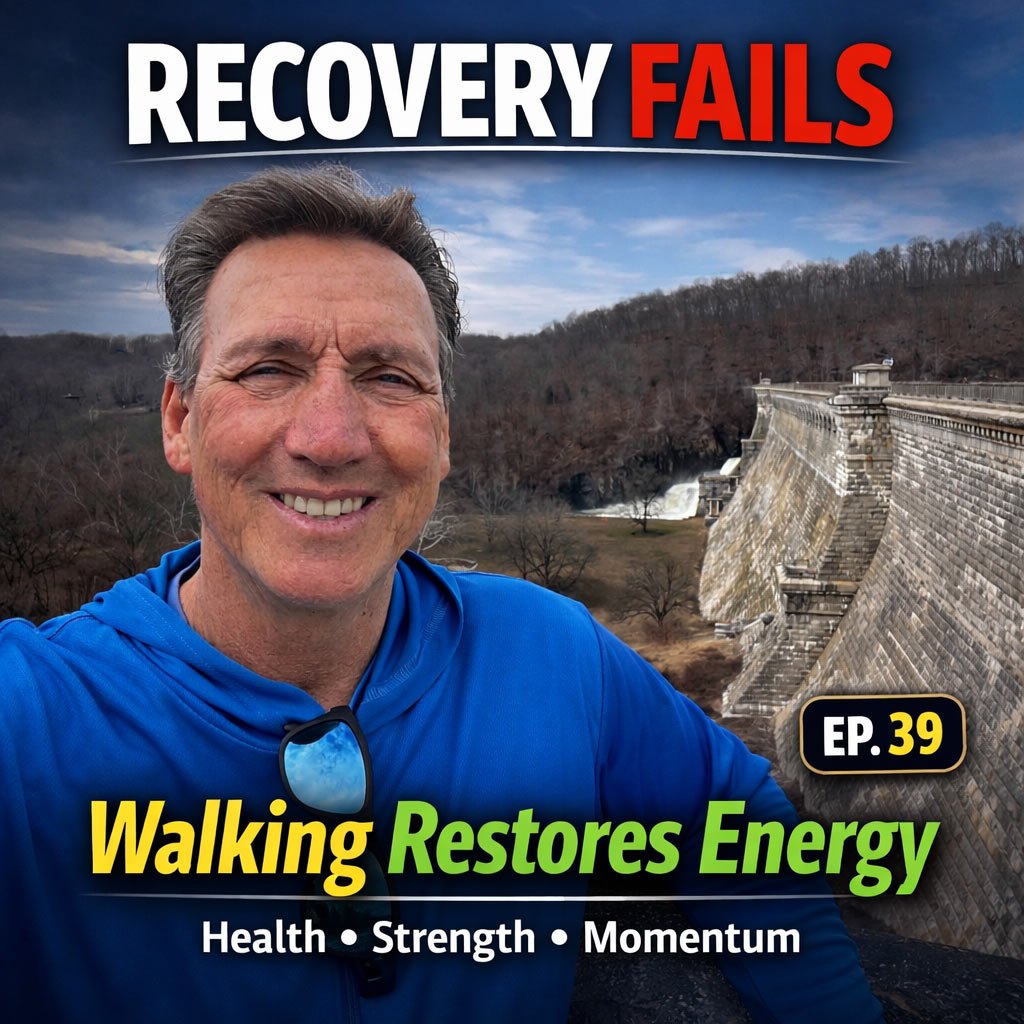
Recovery often fails because it focuses on rest without restoring movement. Walking rebuilds energy by improving circulation, reducing stress, and supporting consistent physical activity. It’s a sustainable, low-impact solution that helps you recover, regain strength, and build long-term heal
What if the reason you still feel tired, stiff, or burned out… isn’t because you need more rest?
For years, we’ve been told that recovery means stopping—taking more rest days, sitting more, and doing less. But for many people, that approach simply isn’t working.
You rest… but you still feel exhausted.
You slow down… but your body still feels tight.
You take time off… but your energy doesn’t come back.
So what’s missing?
The answer might be simpler than you think—and it starts with how you move.
⚠️ Why Recovery Fails for Most People
The biggest misconception in fitness and health is this:
👉 Recovery = doing nothing
While rest is important, too much inactivity can actually slow down your recovery process.
When you stop moving:
Blood flow decreases
Muscles stiffen
Energy levels drop
Your body becomes less efficient
Instead of helping you feel better, excessive rest can leave you feeling worse.
🔬 The Real Purpose of Recovery
Recovery isn’t about stopping.
👉 Recovery is about restoring your body’s ability to function efficiently.
That includes:
Circulation
Mobility
Energy production
Muscle function
And one of the most effective ways to support all of these… is movement.
🚶 How Walking Restores Your Energy and Health
Walking is one of the most powerful—and overlooked—tools for recovery.
Here’s why:
1. Improves Circulation
Walking increases blood flow, delivering oxygen and nutrients to your muscles and tissues.
2. Reduces Stiffness
Gentle movement keeps your joints and muscles loose, helping you feel better faster.
3. Boosts Energy Naturally
Movement stimulates your body’s energy systems, helping you feel more alert and less fatigued.
4. Supports Mental Recovery
Walking helps reduce stress, clear your mind, and improve your overall mood.
5. Builds Consistency
Unlike intense workouts, walking is sustainable—making it easier to stay active every day.
🔄 Rest vs. Active Recovery
There’s a big difference between resting and recovering.
| Rest | Active Recovery |
|---|---|
| Doing nothing | Moving intentionally |
| Short-term relief | Long-term improvement |
| Can lead to stiffness | Improves mobility |
| Low energy | Increased energy |
👉 The goal isn’t to stop moving—it’s to move differently.
🧠 Why Walking Works When Other Methods Fail
Many people struggle with recovery because they rely on extremes:
Intense workouts
Complete inactivity
Inconsistent routines
Walking sits in the middle.
It’s:
Low impact
Accessible
Sustainable
Effective
This balance allows your body to recover while still improving.
🪜 How to Start Using Walking for Recovery

You don’t need a complicated plan.
Start simple:
Step 1: Walk Daily
Even 10–20 minutes can make a difference.
Step 2: Focus on Consistency
Consistency matters more than intensity.
Step 3: Pay Attention to How You Feel
Notice improvements in:
Energy
Mood
Mobility
Step 4: Build Gradually
Increase time or frequency as your body adapts.
🎯 What This Means for You
If recovery hasn’t been working for you, it’s not because you’re doing something wrong.
It’s because you’ve been given incomplete advice.
👉 Your body doesn’t just need rest.
👉 Your body needs the right kind of movement.
And walking provides exactly that.
✅ Key Takeaway
Recovery isn’t about doing less.
It’s about doing what works.
And for most people, that starts with one simple step:
👉 Walk.
🔗 Call to Action
Ready to take the next step?
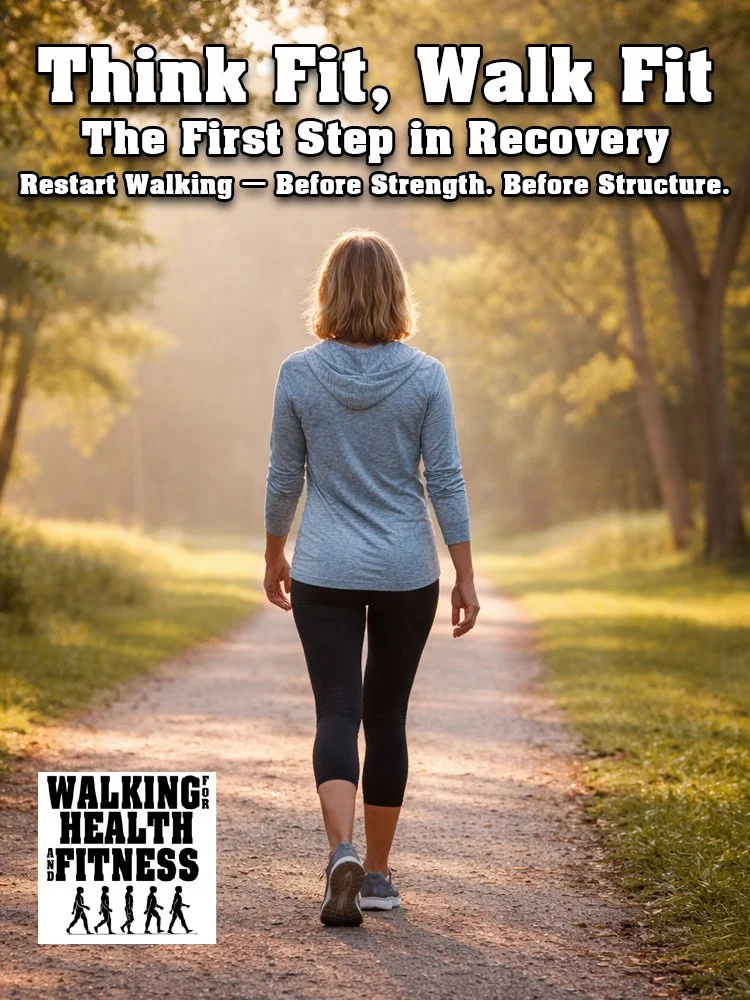
Join the Think Fit, Walk Fit Giveaway and start building a simple, sustainable walking routine that helps you feel better every day.
Frequently Asked Questions
Why does recovery fail?
Recovery often fails because it relies too heavily on rest instead of movement. While rest is important, too much inactivity can reduce circulation, increase stiffness, lower energy, and slow the body’s ability to recover.
How does walking improve recovery?
Walking improves recovery by increasing blood flow, reducing muscle stiffness, boosting energy production, and supporting both physical and mental restoration through consistent, low-impact movement.
Is walking better than complete rest for recovery?
or many people, gentle walking can be more effective than complete rest because it keeps the body moving, improves circulation, and helps reduce stiffness without adding excessive stress.
Can walking help restore energy and health?
Yes. Walking can help restore energy and health by supporting circulation, improving mood, reducing stress, and building a sustainable routine that promotes long-term physical and mental well-being.
How do I start walking for recovery?
tart with 10 to 20 minutes of walking at an easy pace. Focus on consistency over intensity, pay attention to how you feel, and gradually build your walking routine over time.
Walk on. Stay steady. Stay STRONG,
Frank
Author: Walking for Health and Fitness, Fitness Walking and Bodyweight Exercises, Walking Inspiration, Walking Logbook Journal , and Walking Works Blueprint


