How one simple 10-minute recovery walk can help you restart your fitness, rebuild confidence, and finally stay consistent.
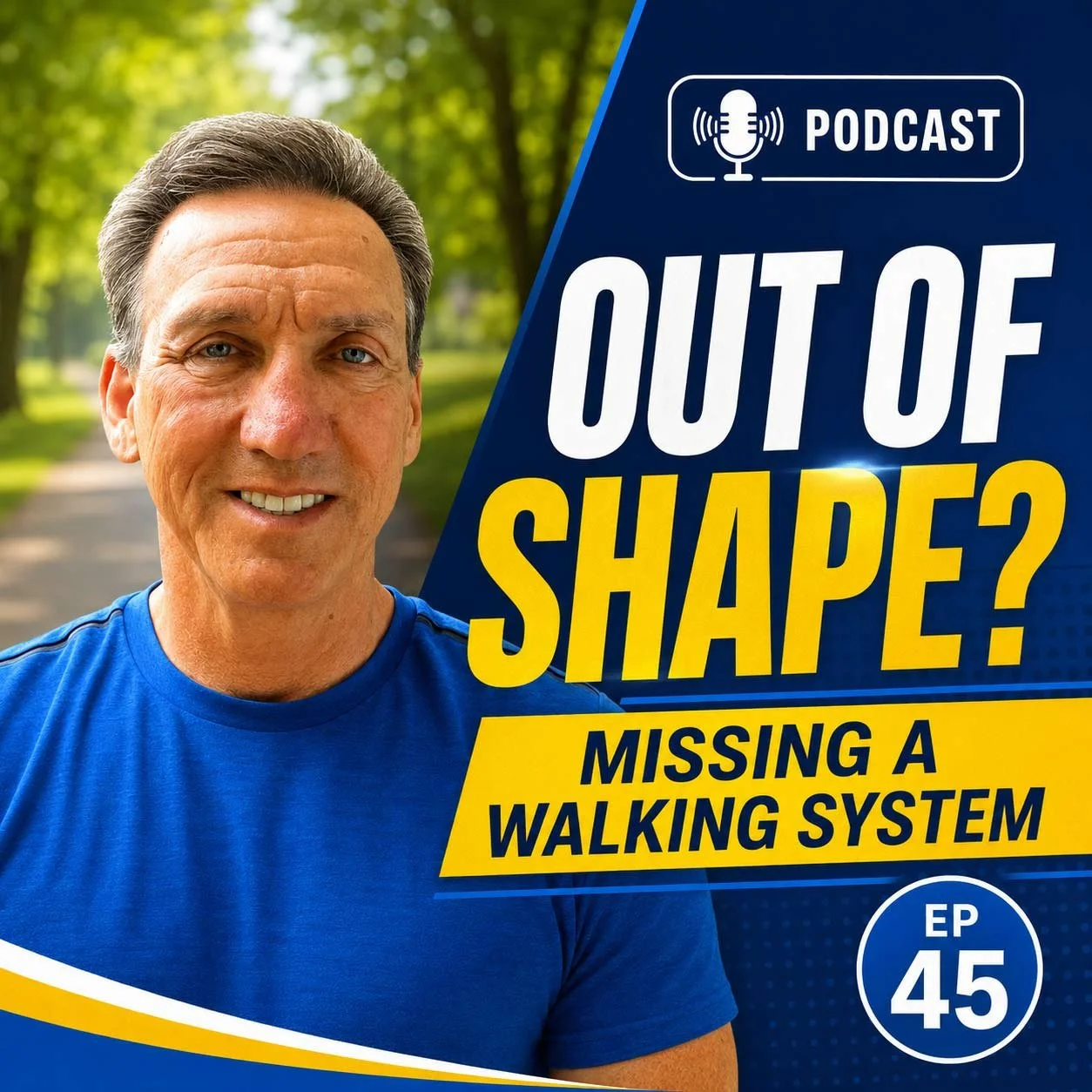
Walking for Health and Fitness Podcast — EP45
Host: Frank S. Ring
You’re Not Out of Shape — You’re Just Missing a Walking System
Maybe you’ve said it before.
“I’m out of shape.”
Maybe you said it after walking up a flight of stairs and feeling winded.
Maybe you said it after stepping on the scale.
Maybe you said it after realizing your energy, strength, or flexibility isn’t where it used to be.
But what if that’s not the real problem?
What if you’re not lazy, undisciplined, or too far gone?
What if the real issue is that you’ve been trying to restart your health without a walking system?
That’s the focus of EP45 of the Walking for Health and Fitness Podcast: You’re Not Out of Shape — You’re Just Missing a Walking System.
Most people don’t fail because they don’t care about their health. They fail because they rely on motivation alone. Motivation may get you started, but it usually does not carry you through busy schedules, low-energy days, bad weather, soreness, stress, or discouragement.
That’s where a walking system changes everything.
A walking system gives you structure. It tells you how to begin, how long to walk, how hard to push, when to back off, how to recover, and how to stay consistent without turning fitness into punishment.
And the best place to start is simple:
Start with 10 minutes.
Why “I’m Out of Shape” May Be the Wrong Diagnosis

When people say, “I’m out of shape,” they usually focus on the symptom.
Low energy is a symptom.
Weight gain is a symptom.
Stiffness is a symptom.
Shortness of breath during normal activity can be a symptom.
Starting and stopping over and over again is a symptom.
But the deeper issue is often the lack of a repeatable system.
Most people try to restart walking with a burst of emotion. They get frustrated, inspired, or worried, and then they try to change everything at once.
They walk too far.
They walk too fast.
They try to hit a big step goal immediately.
They start a diet at the same time.
They push their body harder than it is ready for.
Then soreness, fatigue, schedule changes, or discouragement sets in.
The result?
They stop.
Then they blame themselves.
But the problem wasn’t their character. The problem was the plan.
A better approach is to stop asking, “How do I force myself to get in shape?” and start asking, “What simple system can help me walk consistently?”
That question changes everything.
Motivation Starts It — Systems Keep It Going
Motivation is useful, but it is not dependable.
Some days you’ll feel motivated.
Some days you won’t.
Some days you’ll feel energetic.
Some days you’ll feel tired before you even begin.
Some days the weather will cooperate.
Some days it won’t.
That’s why a walking system matters.
A walking system reduces friction.
It answers the questions that usually stop you before you start:
How long should I walk?
How fast should I go?
What if I’m tired?
What if I missed yesterday?
What if I don’t feel motivated?
What should I do after the walk?
How do I know if I’m making progress?
When you have a system, you no longer have to reinvent the plan every day.
You simply follow the next step.
That is how consistency is built.
The Three Biggest Mistakes People Make When Restarting Walking
1. They Start Too Big
Many people decide their first walk needs to be 30, 45, or 60 minutes.
That may work for some people, but if you’re restarting after a long break, injury, illness, stress, burnout, weight gain, or medical treatment, your first goal should not be proving how much you can do.
Your first goal is to teach your body that movement is safe again.
That starts with a walk you can finish.
2. They Confuse Soreness With Success
A walk does not need to leave you exhausted to be effective.
If today’s walk ruins tomorrow’s walk, it was probably too much.
Walking for health and fitness is not about punishing your body. It is about building trust with your body.
You want to finish feeling better, steadier, and more confident than when you started.
3. They Track Only Numbers
Steps, miles, pace, and calories can be useful.
But when you are rebuilding your walking habit, you should also track how you feel.
How was your energy before the walk?
How did your breathing feel?
How was your mood afterward?
Did you feel calmer?
Did you feel more confident?
Did you keep a promise to yourself?
That information matters because walking is not just a physical habit. It is also a mindset habit.
What a Walking System Actually Does
A walking system is not complicated.
It is a simple, repeatable process that helps you:
Prepare for your walk
Start at the right level
Move safely
Breathe better
Recover after the walk
Track progress
Build momentum over time
The system removes guesswork.
Instead of waking up and negotiating with yourself, you already know the plan.
That makes walking easier to begin.
And when walking is easier to begin, you do it more often.
And when you do it more often, your health, energy, confidence, and consistency begin to improve.
Start With the 10-Minute Recovery Walk Reset
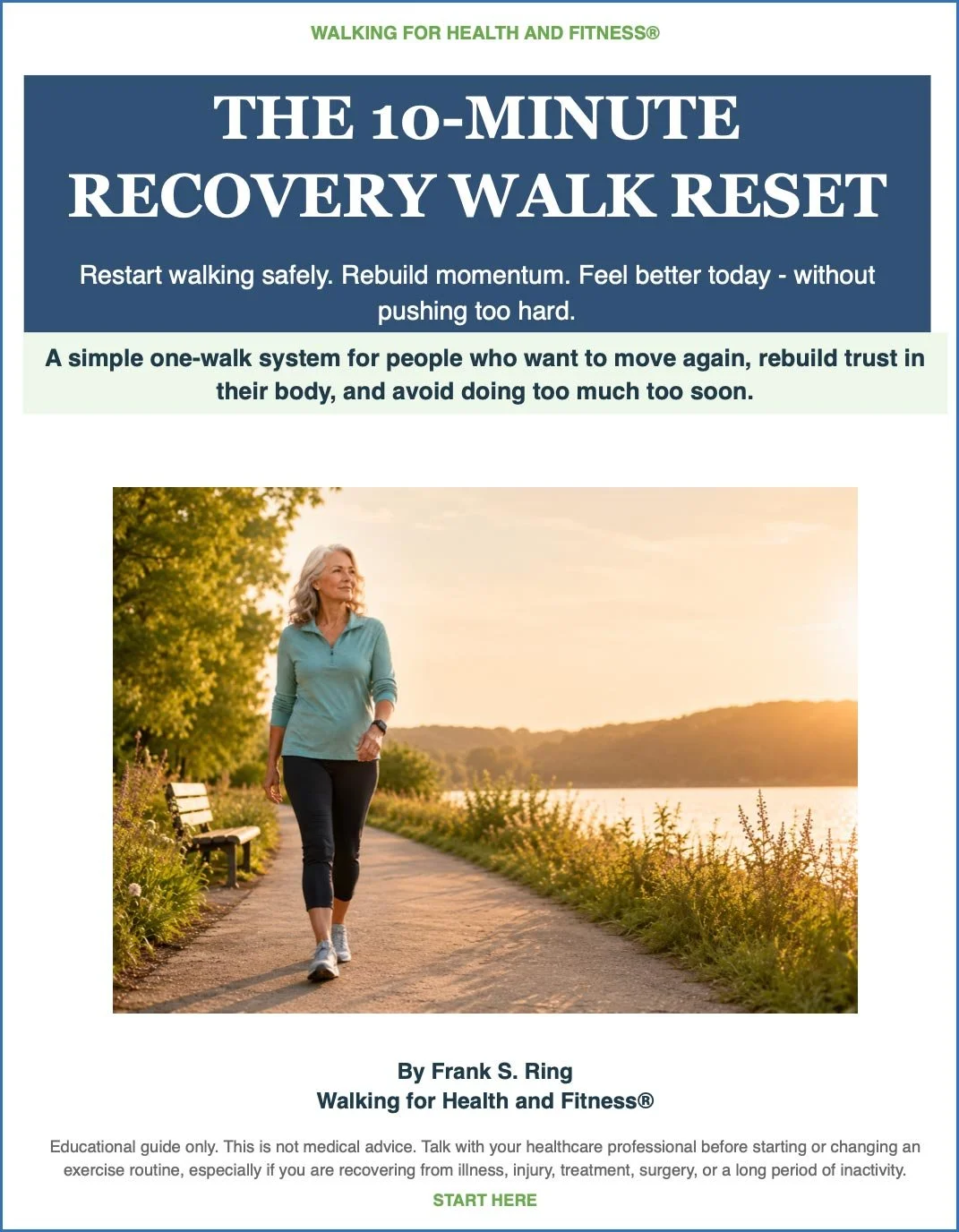
This is why I created The 10-Minute Recovery Walk Reset.
It is not a hard workout.
It is not a step-count challenge.
It is not about speed, distance, or calories.
It is a simple walking reset designed to help you restart without pressure, guilt, or overwhelm.
The 10-Minute Recovery Walk Reset is built around one idea:
Finish feeling better than when you started.
Here’s the basic structure:
Minutes 1–2: Settle In
Begin slowly.
Let your body warm up.
Relax your shoulders.
Stand tall.
Let your breathing settle.
This is not a performance. It is a restart.
Minutes 3–7: Walk Steady
Find a comfortable rhythm.
Do not rush.
Breathe smoothly.
Let your arms swing naturally.
As you walk, repeat this simple phrase:
“I’m not behind. I’m rebuilding.”
That one sentence helps replace guilt with momentum.
Minutes 8–10: Slow Down and Reflect
Ease your pace.
Let your heart rate settle.
Notice how your body feels.
Then ask yourself:
“How do I feel now compared to before I started?”
That question turns the walk into feedback.
And feedback is how you begin building a walking system.
Download the Free 10-Minute Recovery Walk Reset
Want to go deeper into this work?
Don’t let this episode become another good idea you forget by tomorrow.
Download The 10-Minute Recovery Walk Reset and take your first reset walk today.
This free guide will help you:
Restart walking without pressure
Calm your body and breathing
Build momentum in just 10 minutes
Create a simple first step toward consistency
Begin developing the walking system your health has been missing
Download the free guide here <<<
Your body doesn’t need more guilt.
It needs a system.
Start with 10 minutes.
Why 10 Minutes Works
Ten minutes may sound small, but small is exactly the point.
A 10-minute walk lowers the pressure.
It removes the intimidation.
It gives you a win.
It breaks the cycle of waiting for the perfect time.
It helps you prove to yourself that you can start again.
And once you start, you create momentum.
Momentum matters because long-term fitness is not built from one heroic workout. It is built from repeated proof.
Proof that you can begin.
Proof that you can keep promises to yourself.
Proof that you can walk even when motivation is low.
Proof that your body can respond.
Proof that your health can move in the right direction again.
That is the power of a simple walking system.
Walking Should Be Restoration, Not Punishment

One of the biggest mindset shifts in this episode is this:
Walking should not be punishment.
Many people use exercise to punish themselves for gaining weight, missing workouts, eating too much, or falling out of a routine.
But punishment does not create a lifelong habit.
Restoration does.
Walking can become the place where you rebuild your relationship with your body.
Instead of saying, “I have to walk because I’m out of shape,” you can say:
“I walk because I’m rebuilding.”
“I walk because my health matters.”
“I walk because I want more energy.”
“I walk because I’m creating a system.”
“I walk because I’m becoming consistent.”
That shift matters.
Your body is not the enemy.
Your body is your partner.
And walking is one of the simplest ways to start working with your body again.
Go Deeper With the Walking for Health and Fitness Complete Program
The 10-Minute Recovery Walk Reset is the first step.
But if you are ready for a complete walking system, the next step is the Walking for Health and Fitness Complete Program.
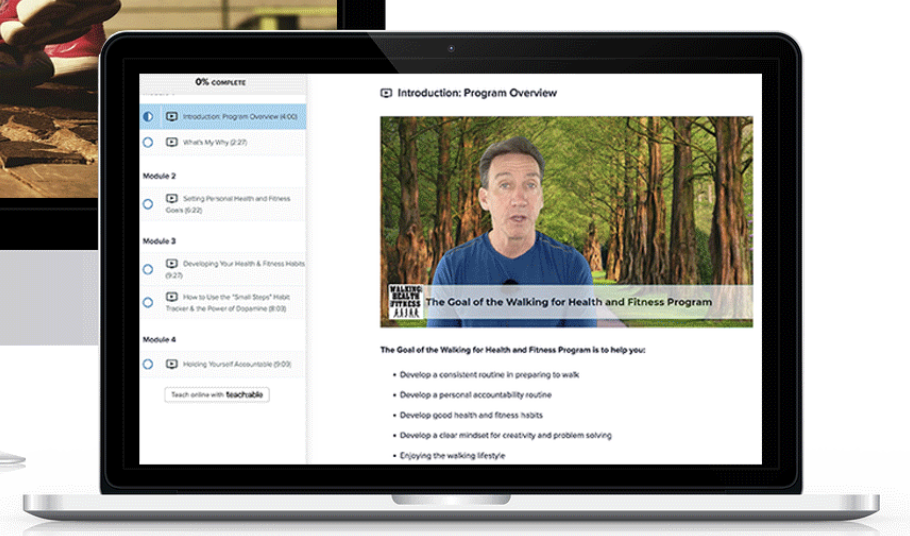
This program was created to help you move from random walking to intentional walking.
It helps you build a complete walking routine that supports recovery, strength, mobility, confidence, and long-term consistency.
Inside the Walking for Health and Fitness Complete Program, you’ll learn how to:
Identify your deeper reason for walking
Set realistic walking and fitness goals
Build a routine that fits your lifestyle
Use warm-ups and cool-downs correctly
Improve your walking form
Track your progress
Stay consistent even when motivation fades
Make walking part of your long-term health and fitness lifestyle
If you’ve been trying to restart your fitness but keep falling into the same start-and-stop cycle, this program gives you the structure you’ve been missing.
Learn more about the Walking for Health and Fitness Complete Program here <<<
You don’t need another extreme workout plan.
You need a walking system you can actually live with.
Step Forward Challenge
Here is your challenge from this episode:
Sometime today, take the 10-Minute Recovery Walk Reset.
Walk for 10 minutes.
Start easy.
Walk steady.
Slow down at the end.
Then answer this sentence:
“Today’s walk helped me…”
Maybe today’s walk helped you feel calmer.
Maybe it helped you feel more in control.
Maybe it helped you clear your head.
Maybe it helped you prove that you can start again.
Whatever your answer is, write it down.
That simple reflection is part of the system.
Because when you record the benefits, you begin to believe in the process.
And when you believe in the process, consistency becomes easier.
Final Thoughts
You’re not out of shape.
You’re not lazy.
You’re not broken.
You’re not too far gone.
You may simply be missing a walking system.
And once you have a system, everything changes.
You stop depending on motivation.
You stop waiting for the perfect day.
You stop turning every walk into a new decision.
You start building.
You start recovering.
You start trusting yourself again.
Walking is simple.
But simple does not mean small.
A simple walk can change your mood.
A simple walk can restart your energy.
A simple walk can calm your mind.
A simple walk can rebuild your confidence.
And a simple system can help you keep going.
Start with 10 minutes.
Walk on,
Frank
Frequently Asked Questions
Am I really out of shape, or do I just need a better walking plan?
You may be out of practice more than out of shape. Many people struggle because they try to restart fitness with motivation instead of structure. A simple walking system gives you a repeatable plan, helps reduce decision fatigue, and makes consistency easier.
Why do I keep starting and stopping my walking routine?
Most people start and stop because they begin too aggressively. They walk too far, push too hard, get sore, and lose momentum. A better approach is to start small, finish feeling successful, and build gradually.
Is a 10-minute walk enough to make a difference?
Yes, especially as a starting point. A 10-minute walk can help break inactivity, improve circulation, shift your mood, and create a quick win. Over time, those short walks can become the foundation for a more consistent walking habit.
What is the 10-Minute Recovery Walk Reset?
The 10-Minute Recovery Walk Reset is a simple walking routine designed to help you restart without pressure. You begin slowly, walk at a comfortable steady pace, then slow down and reflect on how you feel. It is designed to help you build momentum, not overwhelm your body.
Should I walk fast during the 10-Minute Recovery Walk Reset?
No. The goal is not speed. The goal is to move comfortably, breathe smoothly, and finish feeling better than when you started. As your fitness improves, you can gradually increase pace, distance, and structure.
How often should I do the 10-Minute Recovery Walk Reset?
You can begin with one reset walk today. From there, repeat it several times per week or daily if it feels good and your health allows. If you have been inactive, recovering, or managing a medical condition, check with your healthcare professional before beginning.
What should I track after my walk?
Track your time, how you felt before the walk, how you felt after the walk, your energy, your mood, and one daily win. Tracking these simple details helps you see progress beyond steps, miles, or calories.
Why is a walking system better than just walking randomly?
Random walking is better than no walking, but a system helps you become consistent. A walking system gives you structure, helps you avoid doing too much too soon, and teaches you how to build your habit gradually.
Can walking help with stress?
Walking can support stress management because physical activity helps boost feel-good brain chemicals and gives your mind a break from daily worries. Walking also gives you time to breathe, think, and reset.
How does the Walking for Health and Fitness Complete Program help?
The Walking for Health and Fitness Complete Program gives you a full walking system. It helps you identify your why, set goals, improve walking form, build routines, track progress, and stay consistent. It is designed for people who want to rebuild health, energy, strength, and mobility one walk at a time.
Walk on. Stay steady. Stay STRONG,
Frank S. Ring
Author: Walking for Health and Fitness, Fitness Walking and Bodyweight Exercises, Walking Inspiration, Walking Logbook Journal , and Walking Works Blueprint
Medical Disclaimer
This article and podcast episode are for educational and informational purposes only and are not medical advice. Always consult your physician or qualified healthcare professional before beginning any exercise program, especially if you have a medical condition, are recovering from illness or injury, or have been inactive.
Sources and Additional Reading
CDC — Adult Physical Activity Guidelines
https://www.cdc.gov/physical-activity-basics/guidelines/adults.html
American Heart Association — Physical Activity Recommendations for Adults
https://www.heart.org/en/healthy-living/exercise-and-physical-activity/fitness-basics/aha-recs-for-physical-activity-in-adults
Mayo Clinic — Walking: Trim Your Waistline, Improve Your Health
https://www.mayoclinic.org/healthy-lifestyle/fitness/in-depth/walking/art-20046261
Mayo Clinic — Exercise and Stress
https://www.mayoclinic.org/healthy-lifestyle/stress-management/in-depth/exercise-and-stress/art-20044469
Walking for Health and Fitness Complete Program
https://www.walkingforhealthandfitness.com/walking-for-health-and-fitness-program


