Most people say, “I don’t have time to walk.”
I understand that. Life gets busy. Work gets demanding. Family responsibilities pile up. Your phone keeps buzzing. Your schedule fills up before the day even begins. By the time you finally get a quiet moment, putting on your shoes and heading outside can feel like one more task on a list that is already too long.
But what if walking is not taking time away from your life?
What if walking is the thing that gives life back to your time?
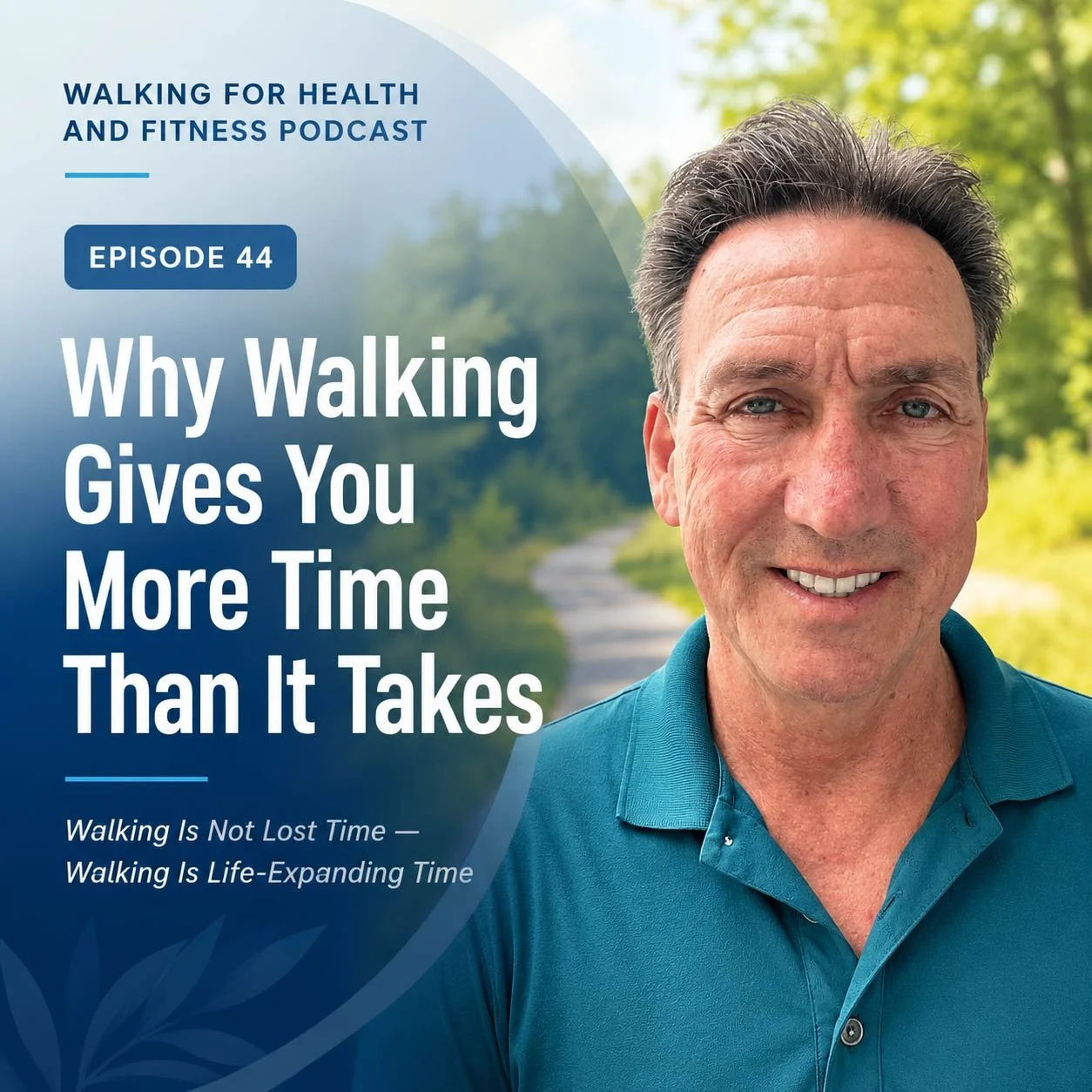
That is the central message of Episode 44 of the Walking for Health and Fitness Podcast: Walking is not lost time. Walking is life-expanding time.
Once you begin to see walking this way, everything changes. Walking is not just exercise. It can become thinking time, creativity time, prayer time, reflection time, learning time, recovery time, and problem-solving time. Yes, walking can support your physical health, fitness, energy, and weight management, but the deeper benefit of walking is what it opens up in your life.
When you walk with purpose, your walk becomes more than movement. It becomes a tool for living better.
Walking Is Not Lost Time
One of the biggest obstacles people have with walking is the belief that it takes too much time. They say, “I don’t have 30 minutes,” or “I’m too busy,” or “I’ll walk later.” Those thoughts are understandable, but they may also be the very thoughts keeping people stuck.
The better question is this: What happens to the rest of your day when you don’t walk?
Do you think as clearly? Do you feel as energized? Are you more patient? Are you more focused? Are you calmer? Are you more likely to make good decisions?
For many people, the answer is no. Without movement, the mind gets crowded. The body feels sluggish. Stress builds. Thoughts spin. Energy drops. And when that happens, the rest of the day becomes harder.
That is why walking can actually give time back. A 20-minute walk may seem like it costs you 20 minutes, but if that walk helps you return to your day with more focus, more energy, and a calmer mind, then that walk has given something back to you.
It gave you clarity. It gave you control. It gave you momentum. It gave you a better version of yourself.
That is not lost time. That is life-expanding time.
Walking Gives You Back to Yourself
One of the most important ideas from this episode is this: Walking gives time back because it gives you back to yourself.
When life gets stressful, we can lose touch with ourselves. We become reactive. We rush. We scroll. We overthink. We carry tension in our bodies and noise in our minds. Before long, the day is running us instead of us living the day with intention.
Walking interrupts that pattern.
The moment you step outside and begin moving, something changes. Your breathing begins to settle. Your body finds a rhythm. Your mind starts to loosen. Your thoughts begin to organize. You create space between yourself and the stress of the day.
That space matters.
You may not come back from every walk with a life-changing answer, but you often come back in a better emotional state. That better state changes how you handle the rest of your day. You may respond instead of react. You may make a better choice. You may see a problem differently. You may simply feel more like yourself again.
Walking does not just move you from one physical place to another. It can move you from one emotional place to another.
It can move you from stressed to calmer, from stuck to moving, from overwhelmed to grounded, from scattered to focused, from frustrated to grateful, and from disconnected to back in touch with yourself.
Walking Is the Cure for Boring Exercise
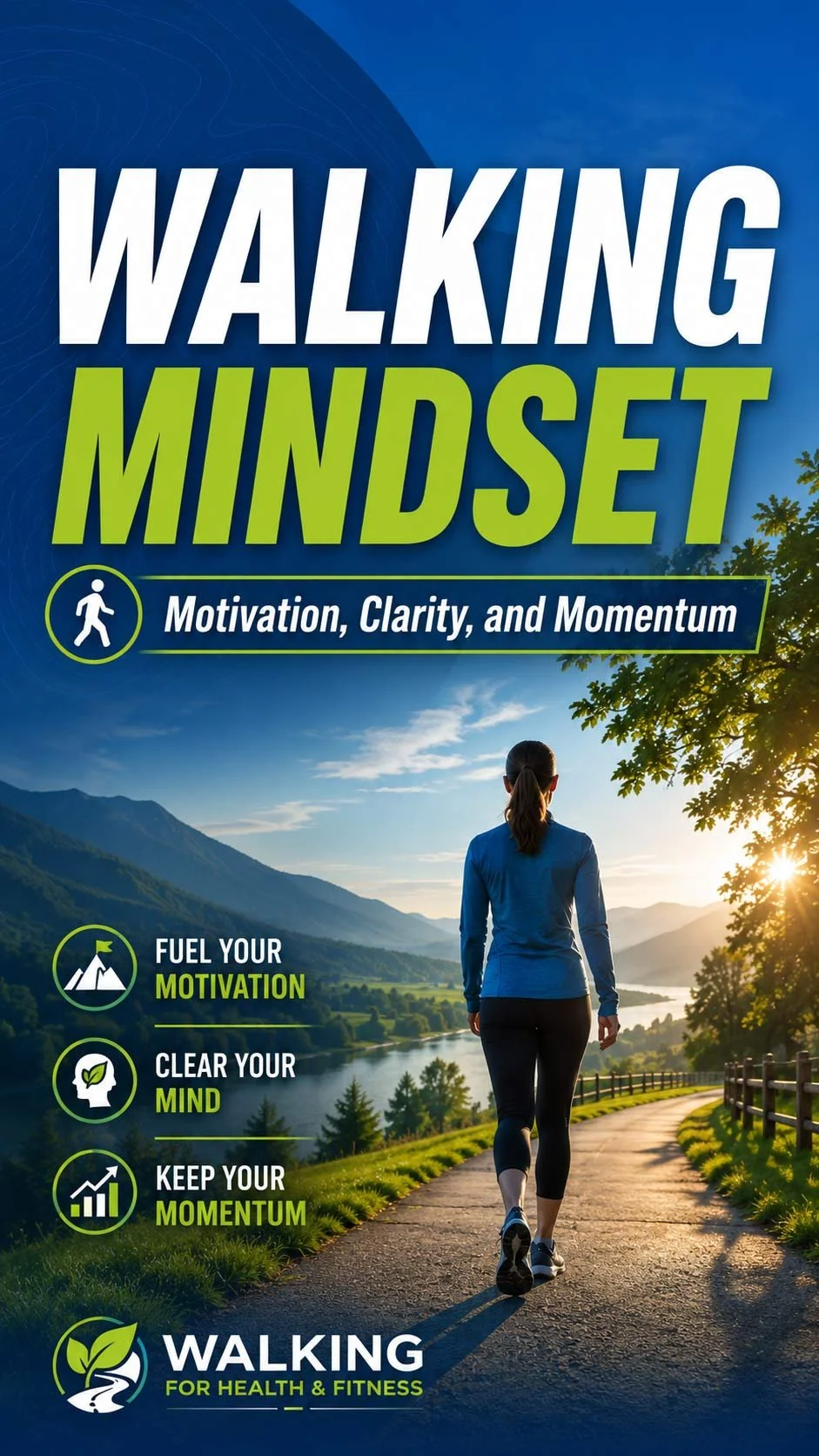
Another common objection is, “Walking is boring.”
I don’t believe walking is boring. I believe walking becomes boring when it has no purpose.
The walk itself is not the problem. The lack of intention is the problem.
Think about all the different types of walks you can take. You can take a thinking walk, a gratitude walk, a prayer walk, a fitness walk, a recovery walk, a learning walk, a music walk, a phone-call walk, a problem-solving walk, a creativity walk, or a quiet walk.
Same shoes. Same legs. Same path. Completely different experience.
That is the hidden beauty of walking. Walking adapts to what you need.
If you need energy, pick up the pace. If you need peace, slow down and breathe. If you need connection, walk with someone. If you need clarity, walk alone. If you need an idea, bring a question. If you need inspiration, bring a quote.
That is why I created my expanded article, 75 Things to Do While Walking. The purpose of that article is simple: to help people realize that walking can be one of the most useful, enjoyable, and meaningful parts of the day.
Walking is only boring when you forget to bring your mind, your purpose, or your curiosity with you.
Stop Asking, “Do I Feel Like Walking?”

Most people ask the wrong question before they walk.
They ask, “Do I feel like walking?”
That question gives your mood too much power.
A better question is: What kind of walk do I need today?
That question changes everything.
Some days you may not feel like exercising, but you may need peace. Some days you may not feel like pushing your pace, but you may need clarity. Some days you may not feel motivated, but you may need momentum. Some days you may not want a workout, but you may need a reset.
When you ask, “What kind of walk do I need today?” you give yourself direction.
Maybe today you need a short reset walk. Maybe you need a 10-minute walk after lunch. Maybe you need a longer walk to clear your head. Maybe you need to listen to something inspiring. Maybe you need silence. Maybe you need to call a friend. Maybe you need to walk and pray. Maybe you need to walk and think through one decision.
The walk does not have to look the same every day.
The win is getting out the door.
Walking as Time Expansion
Walking changes your relationship with time.
When you are stressed, time feels tight. When you are overwhelmed, time feels like it is working against you. When you are constantly reacting to emails, texts, appointments, and responsibilities, the day can feel like one long chase.
Walking gives you a way to step out of that chase.
Even a short walk can create a break in the pattern. You step away from the screen. You step away from the noise. You step away from the pressure. In that space, your mind begins to reset.
This is why walking can feel like time expansion.
You still have the same number of hours in the day, but you experience those hours differently. You become more present. You think more clearly. You return to your responsibilities with more control.
A walk may take 20 minutes, but the clarity it gives you can improve the next several hours.
That is a powerful return on investment.
Walking as a Moving Classroom
Walking can also become a moving classroom.
You do not need a desk to learn. You do not need a classroom to grow. You do not need a perfect environment to improve your mindset. A walk can become the place where you listen, reflect, process, and apply what you are learning.
You can listen to a podcast. You can listen to an audiobook. You can listen to a course. You can replay an idea in your mind and ask, “How does this apply to my life?”
But the most important part of the moving classroom is not just taking in information. It is processing information.
We live in a world overloaded with content. We consume videos, articles, posts, podcasts, emails, and messages all day long. But consumption is not the same as wisdom.
Wisdom requires space.
Walking creates that space.
It gives your mind room to connect ideas. It gives your body a rhythm while your brain works in the background. It allows information to settle into understanding.
That is why walking is such a powerful companion to learning. You can listen for a few minutes, pause the audio, and let the idea breathe. You can take one sentence and walk with it. You can ask one question and let your mind work on it.
That is the moving classroom.
Walking as a Creativity Trigger
Some of the best ideas do not come when you are staring at a blank screen.
They come when you are walking.
You may sit at your desk trying to force an idea, write a headline, solve a problem, or make a decision. Nothing happens. The harder you push, the more stuck you feel.
Then you get up, go for a walk, and suddenly the idea begins to appear.
That is not accidental. Walking helps loosen the mind. It gets the body into rhythm. It removes you from the pressure of the desk, the screen, and the forced solution. The internal pressure drops.
And when the pressure drops, ideas rise.
That is why I say: Don’t sit and force the idea. Walk and let the idea find you.
Before your next walk, choose one creative question. Ask yourself, “What should I write about?” or “What problem do I need to solve?” or “What is the next right step?” or “How can I explain this more simply?” or “What message does my audience need to hear?”
Then walk.
Do not demand an immediate answer. Just give your mind a direction and let the walk do its work.
When the idea comes, capture it. Use your phone. Dictate a note. Write one sentence when you get home. Walking ideas are powerful, but they can be easy to lose if you do not catch them.
Walking as a Whole-Life Habit

Stop Letting “I’ll Start Soon” Steal Your Progress — Build Your Walking Habit Today
Walking is not one habit.
Walking is the habit that supports other habits.
That may be the biggest reason I believe in walking so much. When people begin walking consistently, other areas of life often begin to improve. They start drinking more water. They become more aware of what they eat. They sleep better. They manage stress better. They think more clearly. They become more confident. They begin to trust themselves again.
Walking creates a positive ripple effect.
It is not just about the walk itself. It is about the person you become because you walk.
When you walk regularly, you begin to see yourself differently. You are no longer someone who is stuck. You are someone who moves. You are no longer someone who waits for motivation. You are someone who creates momentum. You are no longer someone who only thinks about getting healthier. You are someone who takes action.
That identity shift is powerful.
The more you walk, the more you prove to yourself that you can keep promises to yourself. That confidence carries into the rest of your life.
The Life-Expanding Walk Framework
Here is a simple framework you can use on your next walk.
I call it The Life-Expanding Walk.
It has three steps: choose your purpose before the walk, let the purpose breathe during the walk, and capture one insight after the walk.
Before the walk, decide what kind of walk you are taking. Say to yourself, “This walk is for clarity,” or “This walk is for my health,” or “This walk is for gratitude,” or “This walk is for peace,” or “This walk is for creativity,” or “This walk is for starting again.”
Then begin walking.
During the walk, do not force anything. Let your body move. Let your breathing settle. Let your mind wander. Let the purpose stay with you without turning it into pressure.
After the walk, write down one sentence:
Today’s walk gave me…
Today’s walk gave me peace. Today’s walk gave me energy. Today’s walk gave me an idea. Today’s walk gave me a decision. Today’s walk gave me gratitude. Today’s walk gave me momentum. Today’s walk gave me myself back.
That one sentence becomes proof.
Proof that the walk mattered. Proof that walking is not lost time. Proof that walking gave something back to you.
Why I Wrote Walking Inspiration
This is exactly why I wrote my book Walking Inspiration.

I did not write it just to give you quotes to read. I wrote it to give you something to walk with.
Because one quote, one idea, one sentence, or one question can change the direction of your day when you take it with you on a walk.
Walking Inspiration gives you 12 monthly themes, 365+ inspirational quotes, and a simple way to bring more meaning, reflection, and purpose into every walk.
And here’s the best part: when you get the book, you also get the free audiobook version — a $20 value.
So now you can read it, or you can walk and listen.
Put in your earbuds, press play, and let the words move with you while your body moves forward. Read the quote before your walk. Listen during your walk. Capture the insight after your walk.
That is how walking becomes more than exercise.
It becomes motivation. It becomes reflection. It becomes clarity. It becomes personal growth in motion.
So pick up your copy of Walking Inspiration today, get the free audiobook, and start turning your walks into life-expanding time.
Walk and listen. Walk and reflect. Walk and grow.
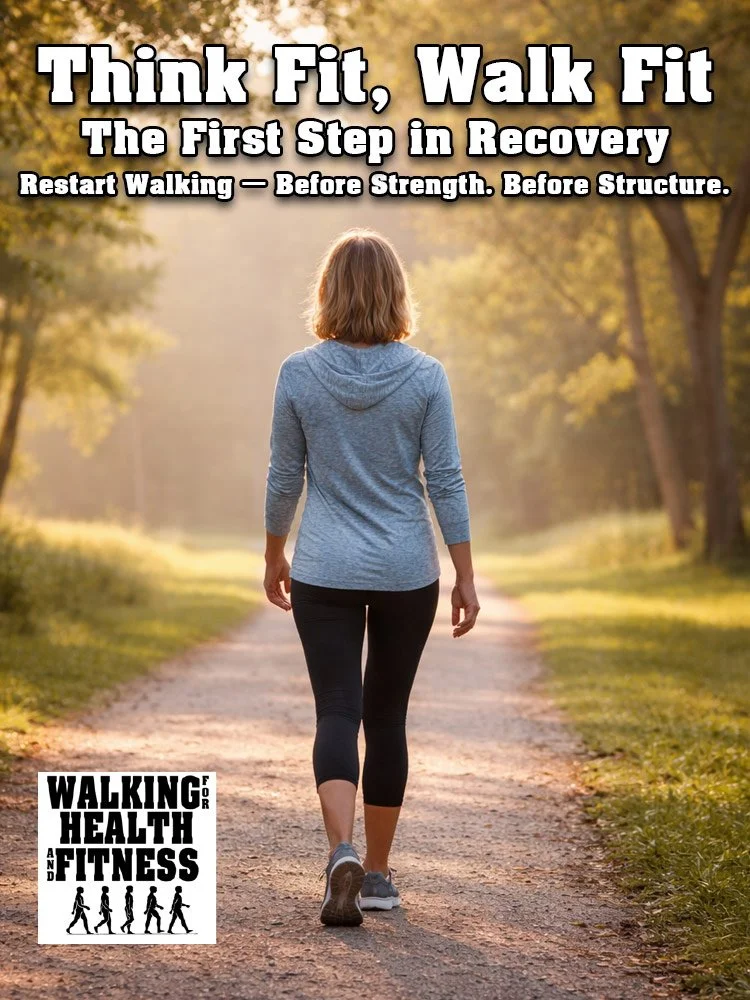
Start with Think Fit, Walk Fit
If this message connects with you, but you are not sure where to begin, I created a free guide to help you take that first step.
Download my free Think Fit, Walk Fit guide.
It will help you stop overthinking, start moving, and build a walking habit that supports your health, energy, mindset, and confidence.
You do not need to be perfect. You do not need to start with a long walk. You do not need to wait for the right time.
You just need to begin.
Download Think Fit, Walk Fit and take your next walk with purpose.
Step Forward Challenge
On your next walk, do not just count steps.
Choose one purpose.
Walk to think. Walk to pray. Walk to learn. Walk to breathe. Walk to create. Walk to connect. Walk to reset. Walk to practice gratitude. Walk to come back to yourself.
Before you begin, say:
This walk is for ______.
Then when you return, write down one sentence:
Today’s walk gave me ______.
That is your challenge.
Simple. Powerful. Repeatable.
Because walking is not lost time.
Walking is life-expanding time.
Walk on. Stay steady. Stay STRONG,
Frank S. Ring
Author: Walking for Health and Fitness, Fitness Walking and Bodyweight Exercises, Walking Inspiration, Walking Logbook Journal , and Walking Works Blueprint


