When a man opens his lab results and sees the word cancer, everything changes in an instant.
There’s a pause.
A moment where time slows down.
And then the questions begin.
How serious is this?
What happens next?
Am I going to be okay?
Shortly after, the next words often come:
“You need treatment.”
And just like that, life shifts.
For many men facing prostate cancer, one of the most common—and often misunderstood—parts of that treatment plan is Androgen Deprivation Therapy (ADT).
It’s a clinical term.
A medical strategy.
But what it feels like to go through it—that’s a very different conversation.
This article will help you understand both.
We’ll walk through what ADT is, why it’s used, what it does to your body, and what you can expect during treatment. But just as important, I’ll share the real experience—what it feels like to go through it—and how you can navigate this phase with structure, clarity, and strength.
For many men facing prostate cancer, one of the most common—and often misunderstood—treatments is Androgen Deprivation Therapy (ADT).
This article will give you a clear, grounded understanding of:
What ADT is
Why it’s used in treatment
What it does to your body
The real, lived side effects many men experience
And how to navigate it with strength, structure, and clarity
I’ll also share how my STRONG™ framework was built during my own experience with ADT—and how it can help you move through this phase with more control and confidence.
What Is ADT?
ADT, or androgen deprivation therapy, is a treatment designed to reduce levels of male hormones—primarily testosterone—that fuel the growth of prostate cancer cells.
Prostate cancer is often hormone-sensitive. That means testosterone acts like fuel to the cancer. ADT works by either:
Stopping the body from producing testosterone (via injections or implants), or
Blocking testosterone from reaching cancer cells
In simple terms:
Less testosterone = less fuel for cancer growth
Why Is ADT Used?
Doctors use ADT in several key situations:
Before radiation therapy to shrink tumors and improve treatment outcomes
During radiation to enhance effectiveness
After treatment to reduce the risk of recurrence
In advanced or metastatic cases to slow disease progression
ADT is not usually a cure on its own—but it is a powerful tool to control the disease and improve long-term outcomes.
According to the American Cancer Society, hormone therapy is widely used because it can significantly slow or stop prostate cancer growth, especially in intermediate- and high-risk cases.
What Happens to Your Body on ADT?
This is where the conversation often changes.
Because testosterone is responsible for far more than just reproductive function, reducing it has a system-wide impact.
Men often describe this phase not just as treatment—but as a complete shift in how their body feels, performs, and responds.
Let’s break down the most common effects.
Common Side Effects of ADT

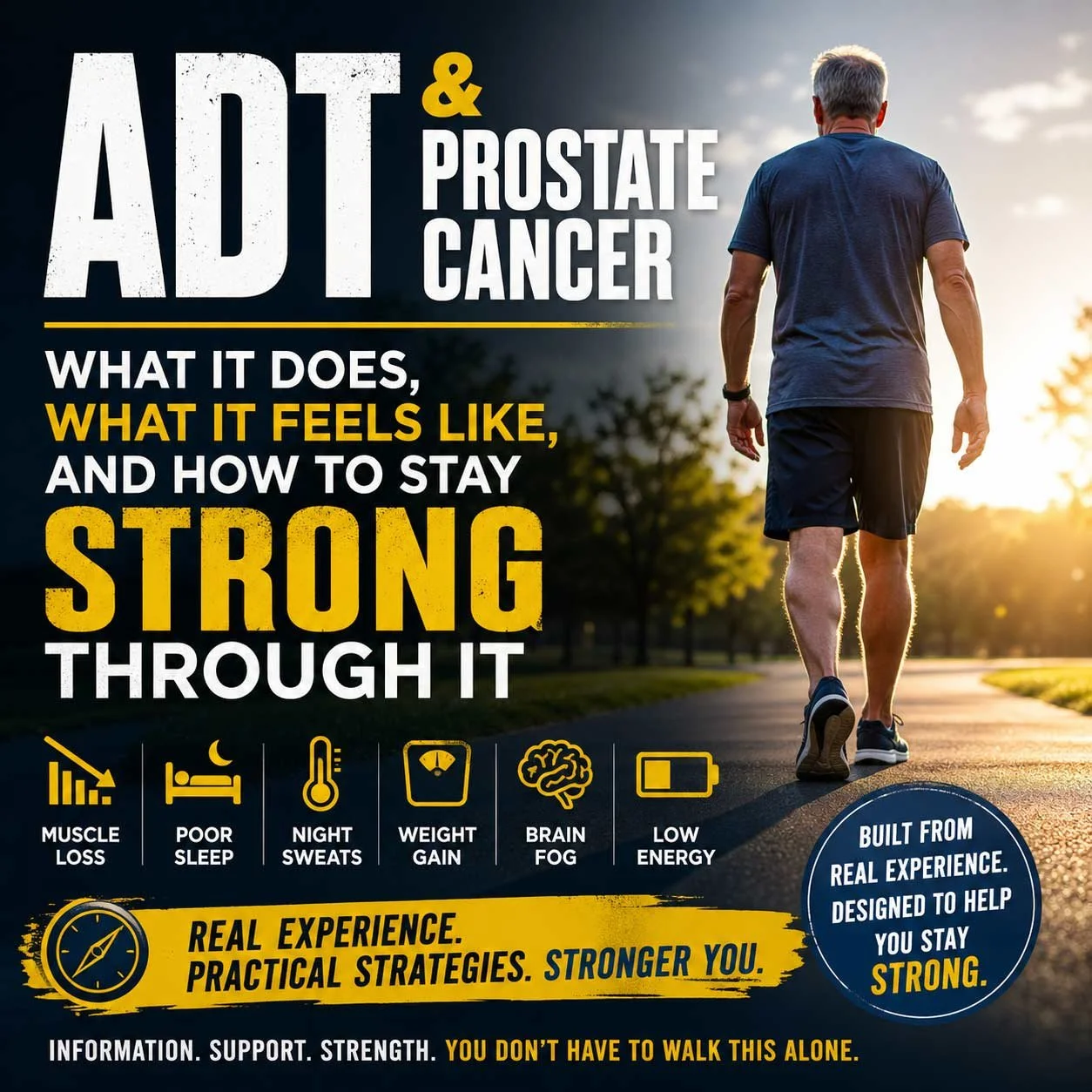
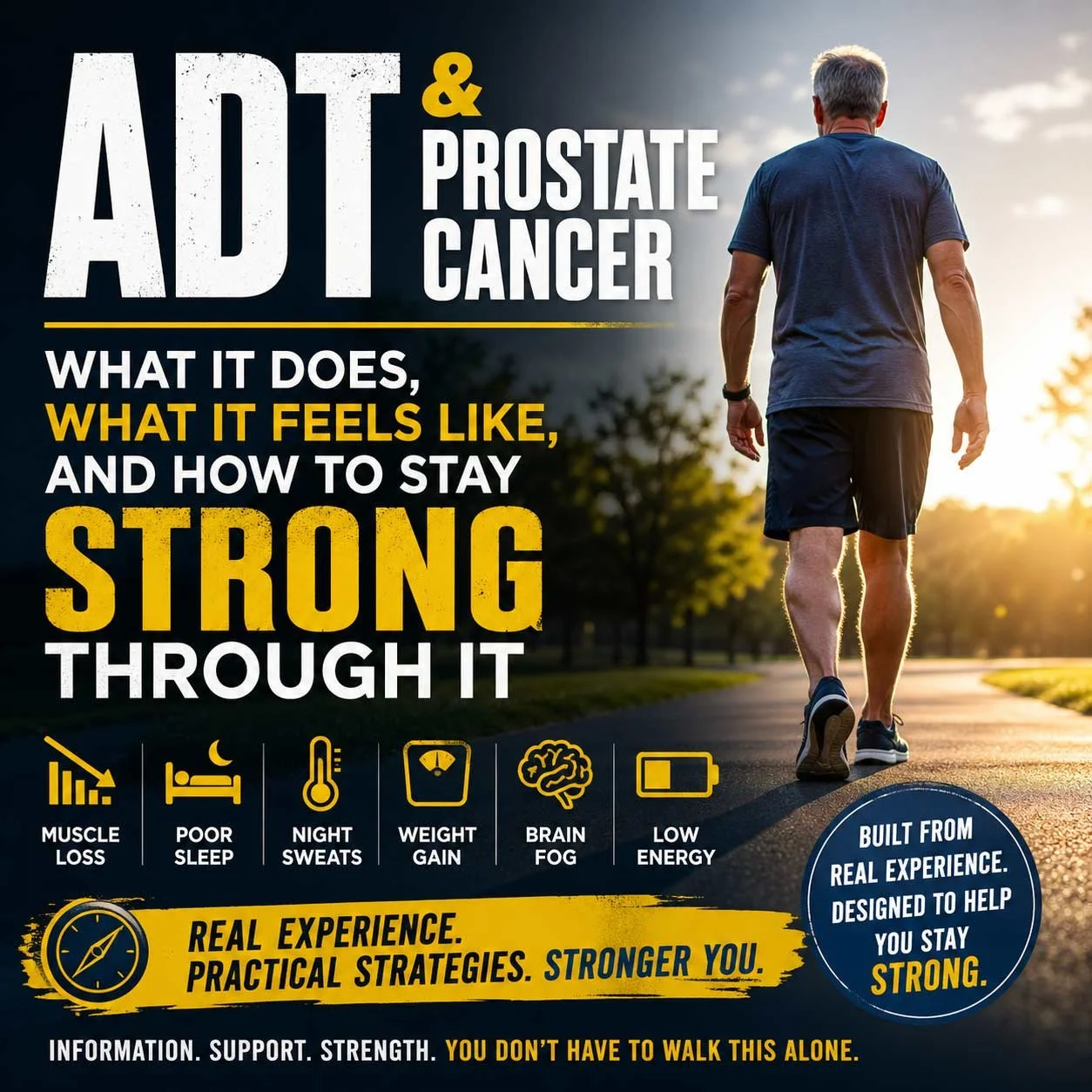
1. Loss of Muscle Mass and Strength
Testosterone plays a major role in maintaining muscle.
When levels drop:
Muscle mass decreases
Strength declines
Physical tasks feel harder
Even routine activities can feel more taxing than before.
2. Weight Gain (Especially Abdominal Fat)
Many men experience:
Increased body fat
A shift toward abdominal weight gain
A slower metabolism
This change can happen quickly—sometimes within weeks.
3. Fatigue and Low Energy
Fatigue is one of the most reported side effects.
This isn’t just “being tired.”
It can feel like:
Heavy, persistent low energy
Slower recovery after activity
A reduced capacity to stay active
4. Hot Flashes and Night Sweats
Hormonal shifts can disrupt temperature regulation, leading to:
Sudden heat surges
Sweating episodes
Interrupted sleep
5. Sleep Disruption
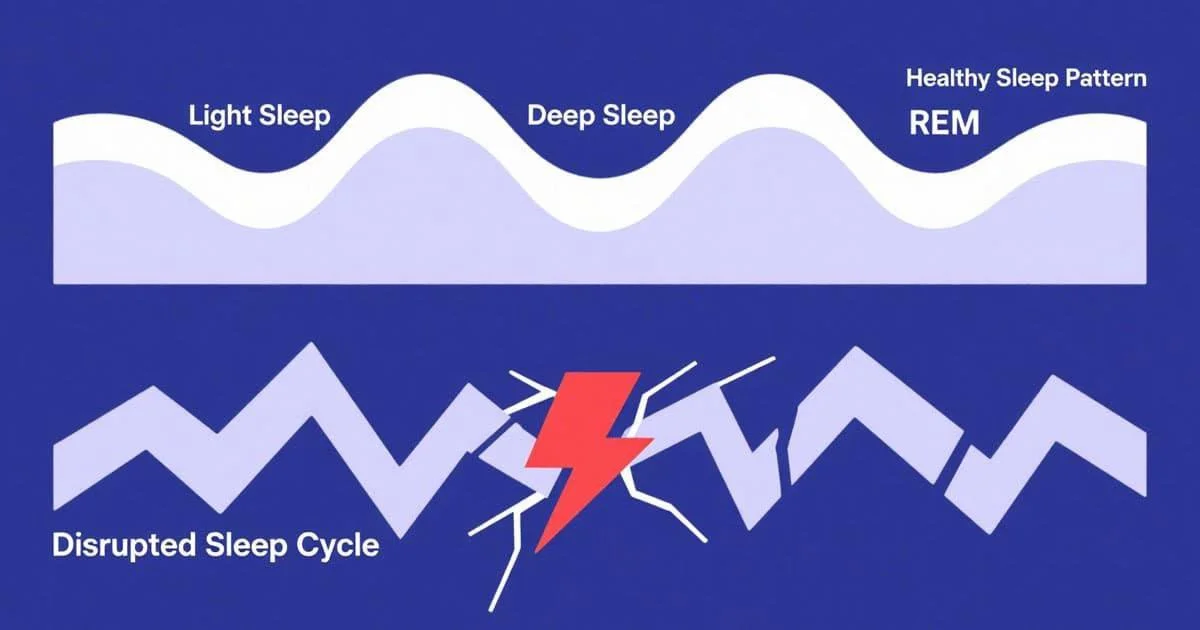
Between night sweats and hormonal changes:
Sleep becomes fragmented
Recovery suffers
Mental clarity declines
6. Mood Changes and Brain Fog
Lower testosterone can impact:
Focus and concentration
Emotional stability
Motivation
Many men describe this as a kind of mental “fog”—a lack of clarity or sharpness.
7. Reduced Libido and Sexual Function
This is one of the most expected effects:
Decreased libido
Erectile dysfunction
While often discussed clinically, the emotional impact can be significant.
8. Bone Density Loss
Over time, ADT can lead to reduced bone density, increasing the risk of fractures. This is why resistance training and proper nutrition become critical.
What the Research Shows
Clinical research consistently supports these observations.
For example, studies published in the National Cancer Institute note that ADT is associated with:
Increased fat mass
Decreased lean muscle
Reduced bone density
Metabolic changes
My Experience with ADT: The Fog of War

When I began ADT, I understood the purpose.
I knew it was part of the treatment plan.
I knew it was necessary.
What I didn’t fully understand… was how quickly everything would change.
Within a short period of time, I started to feel like I was operating in what I now call a fog of war.
Not weakness.
Not a lack of discipline.
But confusion.
I was dealing with:
A level of fatigue that didn’t match my effort
Workouts that suddenly felt harder—even basic ones
A shift in my body composition that seemed to happen almost overnight
Disrupted sleep from night sweats
A constant sense of being “off”—mentally and physically
Even as someone who had spent years in fitness, I found myself asking:
What’s happening to me?
Why can’t I just push through this?
And that’s where many men get stuck.
Because the instinct is to do more… push harder… stay the same.
But ADT changes the rules.
The Physical Changes Are Real
Here’s what I—and many men—experience during ADT:
Muscle loss despite continued effort
Weight gain, especially around the midsection
Lower energy output, even with consistent activity
Interrupted sleep cycles, leading to poor recovery
Mental fog, reduced focus, and slower decision-making
These aren’t imagined.
They are physiological responses to reduced testosterone.
According to the National Cancer Institute, ADT is associated with decreased lean muscle, increased fat mass, and metabolic changes that directly affect how your body functions day to day.
Most men don’t realize what’s happening until they’ve already lost momentum.
If you want to stay ahead of that, download:
👉 “5 Things No One Tells Men About Staying STRONG During Prostate Cancer Treatment”
It’s a quick read—and it could save you months of frustration.
The Real Challenge: Identity Disruption
But here’s what doesn’t get talked about enough:
It’s not just physical.
It’s identity.
You go from feeling like yourself…
to questioning your energy, your consistency, even your discipline.
For me, one of the hardest parts was this:
I knew what to do—but my body wasn’t responding the same way.
That gap creates frustration.
And if you’re not careful, it can lead to:
Stopping your routine
Pulling back from activity
Losing momentum entirely
The Turning Point: Walking Wasn’t Enough Anymore
Walking had always been my foundation.
And it still mattered—a lot.
But during ADT, I realized something critical:
Walking alone wasn’t enough to navigate everything that was happening.
I needed:
Structure
A system
A way to adapt to what my body was going through
That’s when everything began to shift.
How I Built the STRONG™ Framework During Treatment
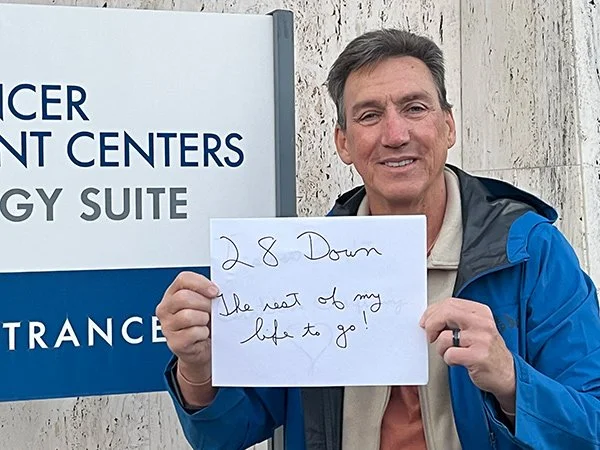
Author Frank S. Ring after his final radiation treatment!
The STRONG Through Prostate Cancer™ Method wasn’t created after treatment.
It was built during it.
In real time.
In the middle of that fog.
Each part of the framework came from solving a specific challenge I was facing:
S — Set Your Mind Each Morning
Because without clarity, the day drifted.
T — Train Your Body with Walking and Strength
Not to push harder—but to preserve what I could:
Muscle
Strength
Mobility
R — Refuel Intelligently
Because hunger increased, cravings changed, and weight gain became real.
O — Optimize Rest and Recovery
Because poor sleep was compounding everything else.
N — Navigate the Mental Battle
Because the fog wasn’t physical alone—it was mental.
G — Grow Into STRONG 2.0
Because this wasn’t about going back.
It was about becoming someone stronger, more aware, and more intentional on the other side.
What Most Men Never Hear About ADT
Here’s the truth:
No one really explains how to live through ADT.
You’re told:
What the treatment does
Why it’s necessary
But not:
How to maintain your strength
How to manage the changes
How to stay consistent when everything feels different
That gap is where most men struggle.
Your Next Step (Where This Changes for You)
If you’re in the middle of this right now, I want you to know—you’re not alone.
I created this guide during my own treatment to help men navigate what I wish I had understood sooner:
👉 “5 Things No One Tells Men About Staying STRONG During Prostate Cancer Treatment”
It’s simple, honest, and designed to give you clarity when things feel uncertain.
Download it here and start building your path forward
This is a simple, direct guide to help you:
Understand what’s happening to your body
Avoid the biggest mistakes men make during ADT
Build a structure you can actually follow
And if you’re ready to go deeper:
👉 Join the Webinar: Where Are You in Your Prostate Cancer Battle?
How to Get Clear on Your Next Step for Strength, Energy, and Recovery
This is where I walk you through the full STRONG™ Recovery Map—and help you identify exactly where you are and what to do next.
At the end, you’ll have the opportunity to book a STRONG Clarity Call—a one-on-one conversation focused entirely on your situation.
Final Thought
ADT is a powerful tool in prostate cancer treatment.
But it comes with real challenges.
The goal isn’t to fight those challenges blindly—
It’s to understand them, structure around them, and move forward with intention.
You don’t need perfect energy.
You don’t need perfect conditions.
You just need a clear next step.
Walk on. Stay steady. Stay STRONG,
Frank S. Ring
Author: Walking for Health and Fitness, Fitness Walking and Bodyweight Exercises, Walking Inspiration, Walking Logbook Journal , and Walking Works Blueprint


